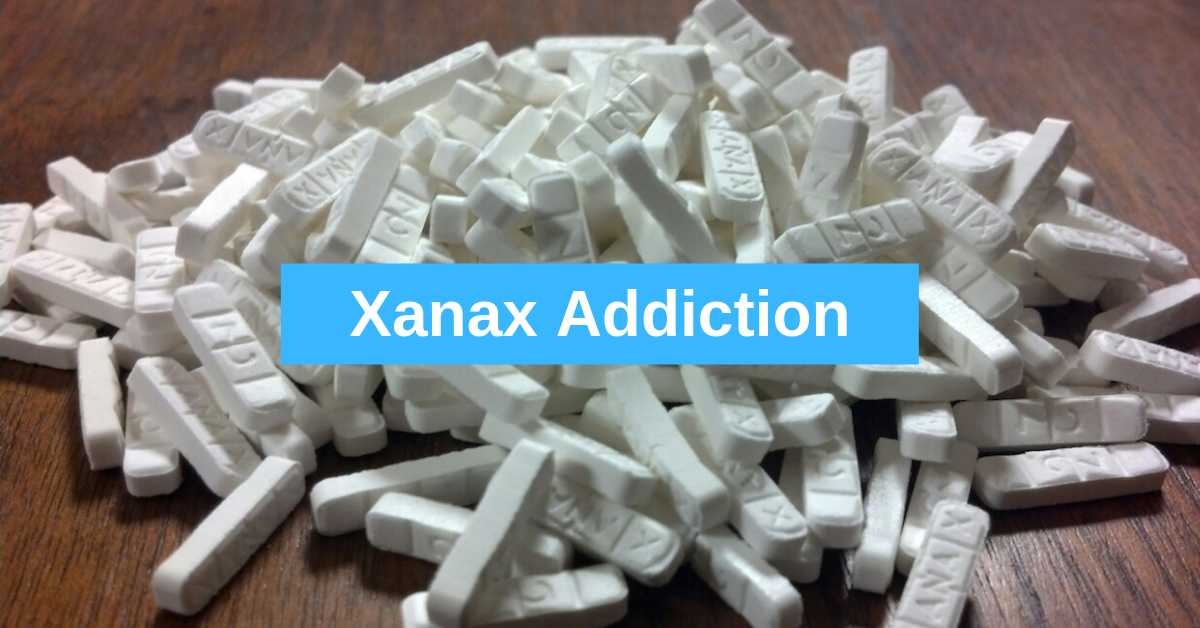
Overcoming a Xanax Addiction
If you are thinking about overcoming a Xanax addiction, you are not alone. Addiction is often difficult to overcome, and inpatient treatment facilities can help you stay sober without being in a home away from home. These facilities provide nutritious meals, wellness activities, and a supportive environment. Overcoming an addiction can be difficult to do on your own, so it is helpful to get support from peers and support groups. Inpatient treatment also offers individual and group therapy to help you identify triggers and develop healthy coping mechanisms.
https://beginningstreatment.co....m/xanax-addiction-tr
Dopamine surges cause Xanax addiction
Xanax addiction results from the increased release of dopamine in the brain. The brain releases dopamine in small amounts when we experience pleasure, but overuse of the drug increases the amount, causing a "use-reward" cycle and chemical dependency. Benzodiazepines are extremely addictive and withdrawal from them is often difficult, requiring medical detox. However, with proper treatment and follow-up, people can return to a normal state of functioning brain and avoid dangerous withdrawal symptoms.
Xanax addiction begins with a dopamine surge, which triggers a feeling of euphoria. This intense feeling of pleasure entrains the brain to crave more of the drug. As the body gets used to the drug, it will develop a tolerance to it and will continue to use it to escape reality. During this time, the addict develops a psychological dependence, which can involve the fear of quitting and a belief that he or she won't be able to function without the drug.
Xanax is a powerful sedative that increases the release of dopamine. Dopamine is the chemical responsible for pleasure and motivation and is released when we accomplish something. In this way, Xanax helps the brain produce dopamine, which causes the feeling of euphoria that makes it addictive.
Physical dependence
Physical dependence on Xanax is a serious problem for many people who use this drug. It can be mild or severe depending on the user's individual situation. Physical dependence on Xanax occurs when the user's body becomes accustomed to the drug's effects and seeks more of it. This can lead to dangerous consequences, such as addiction and overdose.
Xanax is often prescribed to elderly people, who are typically on a large number of medications. Some of these medications can interact with each other, making physical dependence on Xanax much more severe. In addition, some elderly people may use these drugs for non-medical reasons.
Physical dependence on Xanax can lead to serious psychiatric and cognitive problems. Individuals with this problem may require long-term treatment, residential treatment, counseling, therapy, and social support groups. Xanax abuse can even lead to polysubstance use disorders, which are more difficult to treat.
Rebound withdrawal symptoms
Rebound withdrawal symptoms of XanaX addiction occur when your brain adjusts to the drug. As a result, your brain will begin to produce less GABA and increase its production of dopamine, which is necessary for feeling good. As your body gets accustomed to the drug, you will begin to use more and higher doses of Xanax to get the same effects.
Tapering your Xanax dosage gradually may help you avoid the worst withdrawal symptoms, although you may need a doctor's assistance. Changing from Xanax to a less powerful drug, such as Valium, may help you stop using Xanax easier.
The first stage of Xanax withdrawal is often referred to as acute withdrawal, and symptoms usually start two to three days after the last dose. Symptoms include anxiety, insomnia, and gastrointestinal discomfort. This phase of withdrawal typically lasts five to fourteen days, and some people report symptoms lasting weeks.
Treatment options
Fortunately, there are several treatment options for Xanax addiction. One option is 12-step programs, which involve meeting with like-minded people who are trying to get clean and sober. These programs encourage personal responsibility and accountability, which can be an effective motivational tool. Another option is continuing individual therapy.
These programs work to build a client's emotional foundation while helping them identify and manage the external factors that could contribute to relapse. These therapies are also designed to help clients develop healthy coping mechanisms and ensure that they don't fall into harmful habits. For example, therapists may encourage clients to seek help, meditate, or learn how to relax and cope with stressful situations.