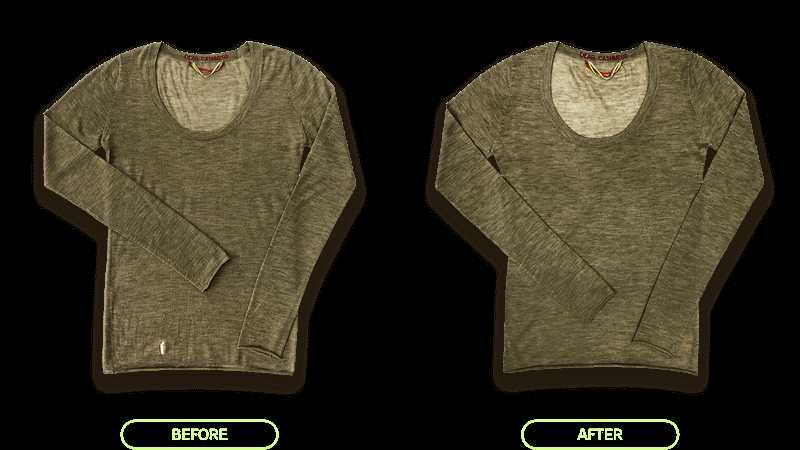
How to Repair a Hole in a Jumper
It’s a sad moment when you open your wardrobe and find your favourite jumper has a hole in it.
https://alterknitnewyork.com/moth-hole-repair/
Sometimes the hole happens quite quickly and catches you by surprise, other times it’s a gradual deterioration caused by wear and tear or of course the dreaded moths. Either way it can leave you with a garment that is no longer wearable, and it’s hard to feel confident in a holey jumper.
There are many ways to fix a hole in knitwear, but the most important thing is to do it as soon as you can, to prevent the hole from getting bigger. Once you have spotted a hole it is best to work quickly before the fabric becomes too thin, allowing the stitches to re-stabilise and form an invisible repair.
Turn your jumper inside out and take a good look at the damage. This will give you a better idea of how to stitch the gap closed, and what size patch will be needed.
Start by taking a back stitch close to the edge of the hole, anchoring it in stable, healthy stitches on either side. Continue around the edges of the hole, burying the yarn ends as you go. When you reach the end of your row, turn the needle round and take another back stitch, this time through both parts of the old stitch (the wrong side part and the top of the new stitch). Continue alternating between the two stitches and burying the yarn as you go.
Once you have worked all the way around the hole, bring your thread up through the stitch below it and over the top of the stitch above it to create a knot. Repeat this process for the other side of the hole.
When you have done this, trim the excess thread close to the stitch. You may also wish to snip the tip of your thread to prevent it from fraying. Then thread your needle and sew the gap shut, stitching 2-3 mm above and below the gap.
This method of mending is very effective and is easy to master once you have practiced it a few times. It is especially useful for repairing seam holes in garments that are made from finer fibres such as merino wool, where the fabric is less robust and can easily snag or be torn by clothing or other items. However, it can be used in most garments made of any type of yarn. This method works equally well for mending larger gaps in thicker knits. Just be sure that the patch you use is a matching colour to the rest of the garment, and choose a durable thread that will stand up to frequent wear. Also, as with any sewing project, be sure to use a thimble or two and a hoop when working on delicate fabrics to prevent the tips of your fingers from chafing!